Percurious (adj) per·cu·ri·ous | pər-KYUR-ee-əs: Feeling both precarious and curious; unsettled by uncertainty and drawn to pay closer attention.
Origin: the mind of a child.
Most people are surprised when they learn that my husband and I don’t take our kids camping. Nope. We don’t take them to Disneyland, either, we pretentious meanies. We take them nowhere. To the middle of nowhere. We take them backpacking.
Yes, we are pretentious meanies who unashamedly dislike theme parks and sank deeper into being unlikable when declaring car camping intolerable because of all the gear and gadgets and superfluous stuff required. The way the kids could wedge one more stuffy or ball or Lego creation into the back of a car already stuffed with the outdoorsy version of objects we owned perfectly good indoor versions of: a sitting chair, dishes, a sink. You get where this is going.
Backpacking, by comparison, forces simplicity: “You can only bring what you can carry,” we say. And the “stuff” problem evaporates.
I like how, once you strip off the stuff layer and get out on the trail, backpacking typically invites a tuning inward and time for quiet presence with your inner self.
I had always hoped that my kids would develop that muscle, wherever it lives inside us, that lets you be bored out of your mind walking for no reason except to walk and keep going long enough for that shift.
You know what I’m talking about?
That fully present-in-the-moment feeling?
It takes a minute to get there. Shoes crunch against granite. Your legs find a rhythm. Breath moves between chest and air and trees. Time fades. Your mind meanders. Your animal body remembers that it is alive. There is nothing to do but be.
It’s a nice feeling, whatever it is, flexing that invisible muscle of pure and peaceful presence.
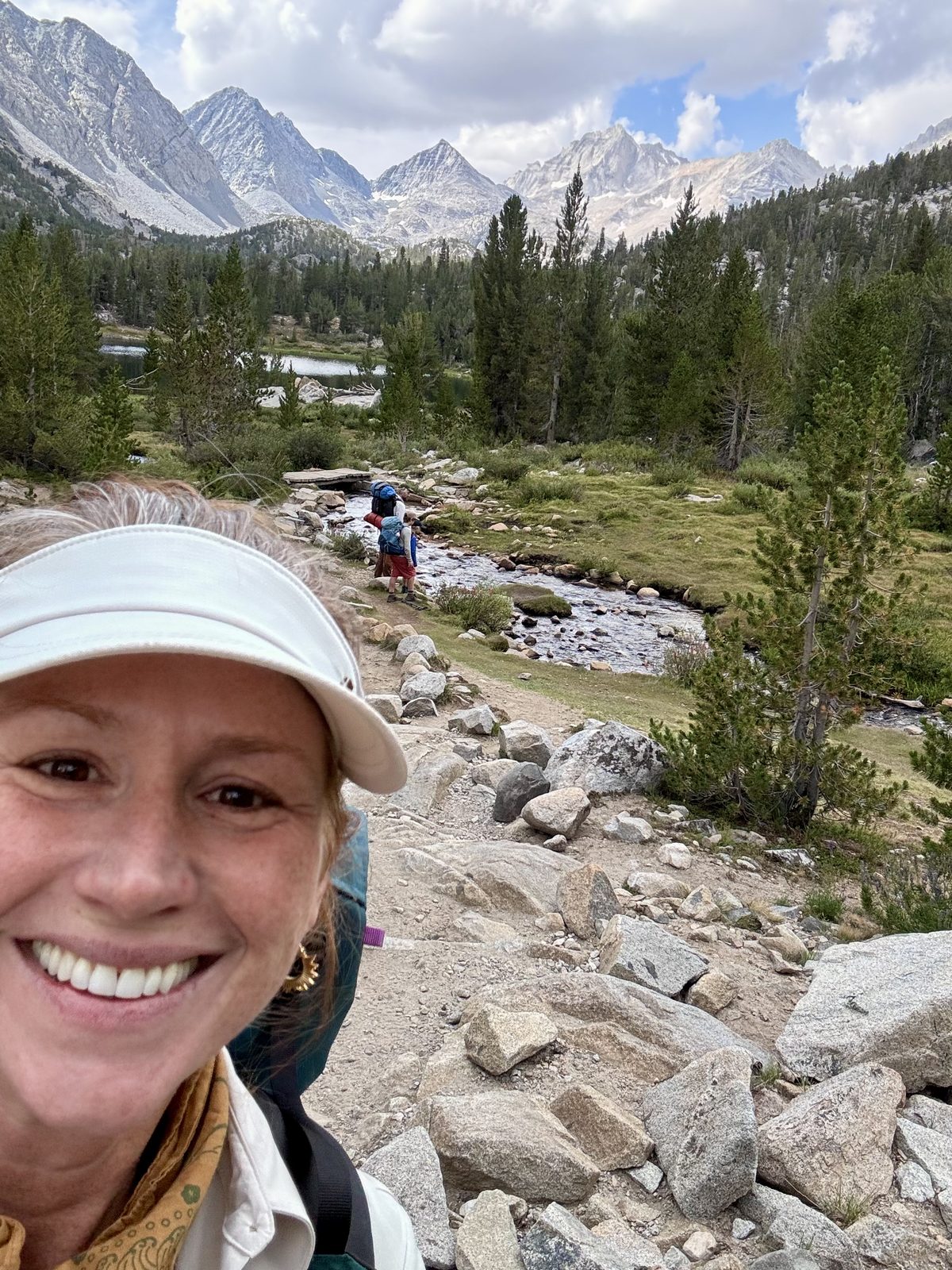
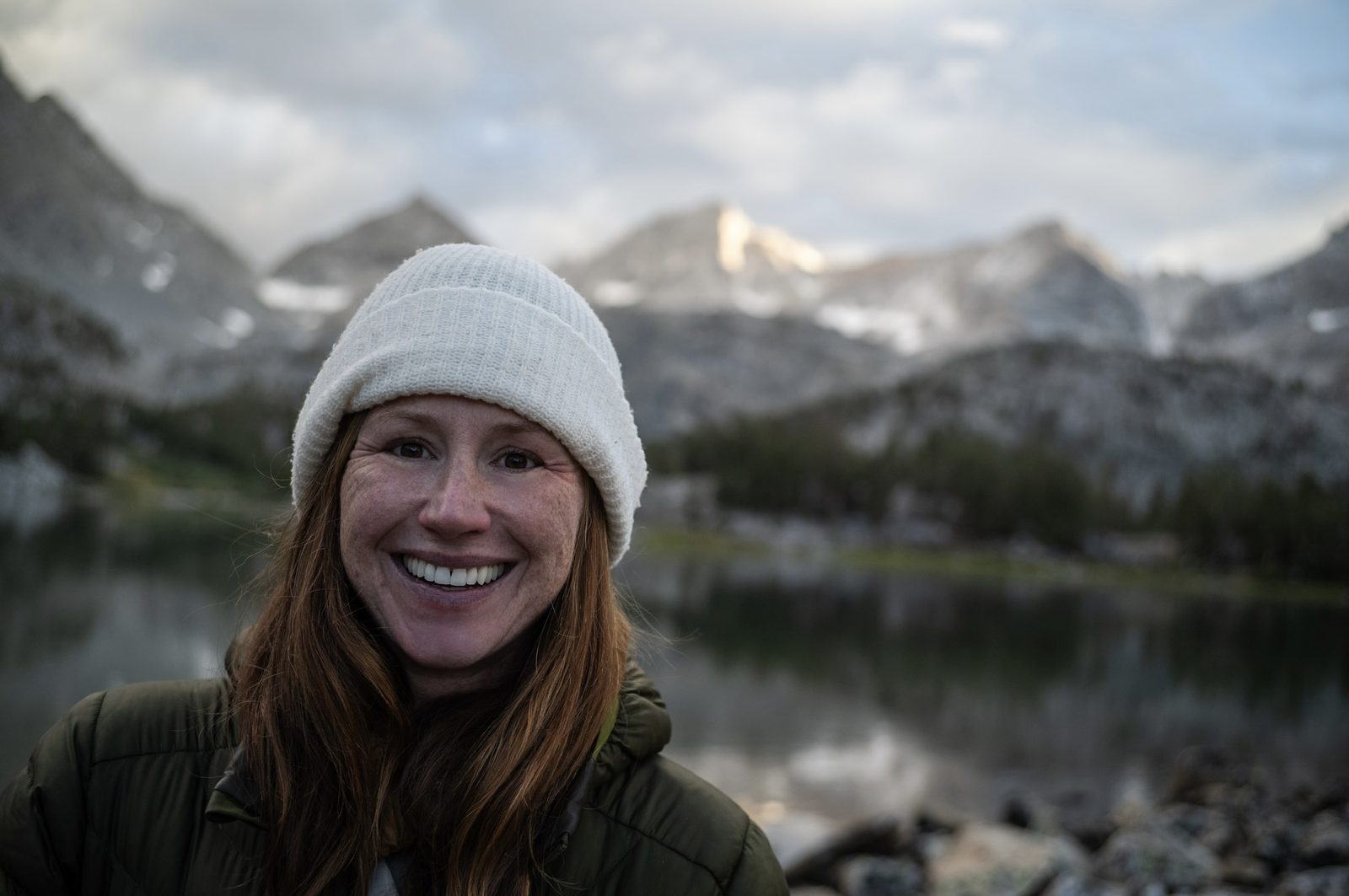
Anyway, for our last week of summer, my husband, two boys (ages seven and 11), and I spent five days in the John Muir Wilderness in the eastern Sierra Nevadas.
This was my first time backpacking above 10,000 feet, with or without kids.
It did not deliver the tuning inward and peaceful presence that I was craving.
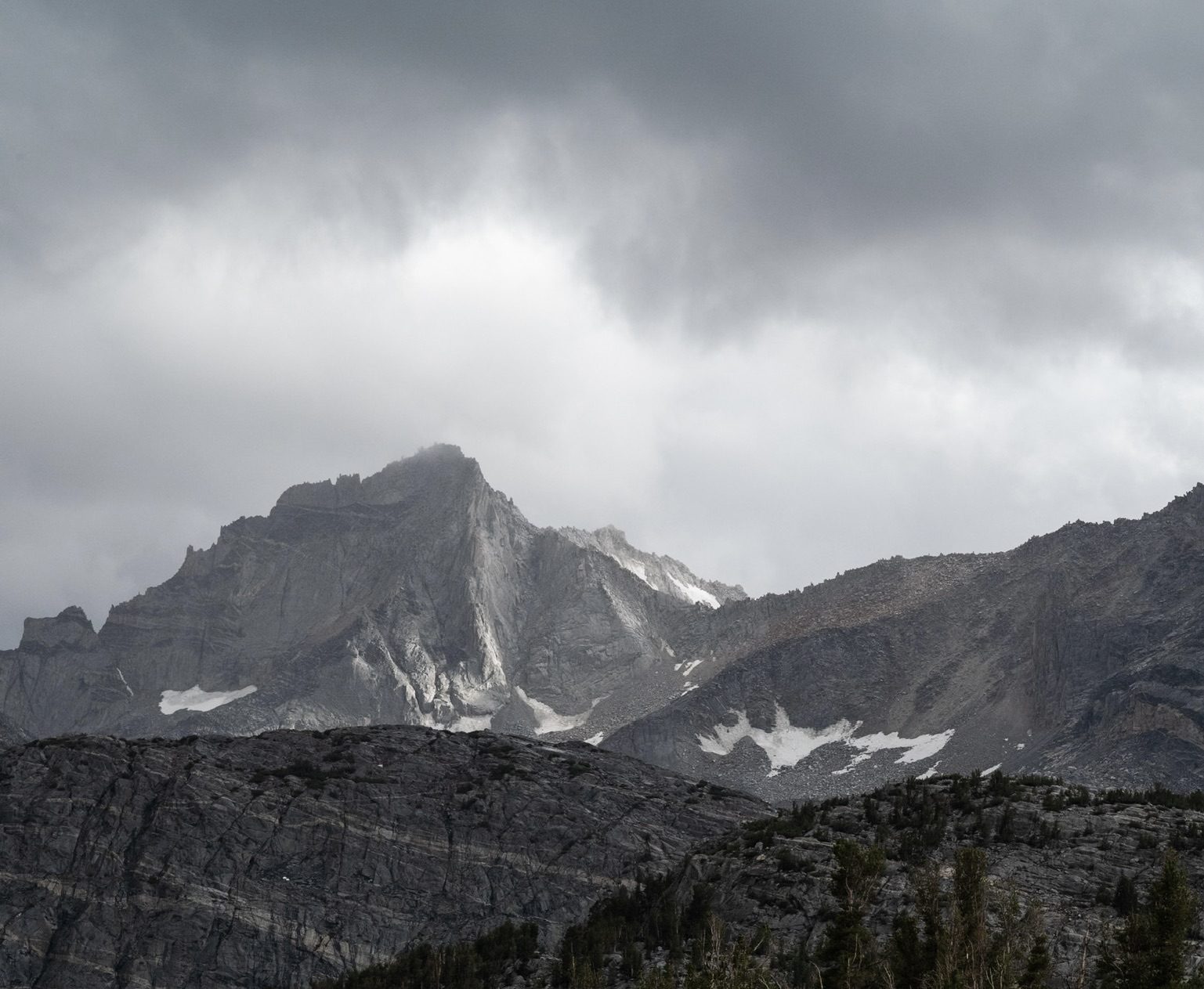
We were met with surprise lightning and thunderstorms and so many hours of hail that I questioned our entire parental philosophy.
We were prepared for summer weather, but it was near freezing. Our shoes were thin and airy when what we really needed were snow boots. Only three out of our four rain ponchos made it into our packs.
Apparently real backpackers will tell you that if you’re going to be above 10,000 feet, you should be prepared for anything. The weather, no matter the season or what the forecast says, can and typically does change in an instant.
Well, now I know.
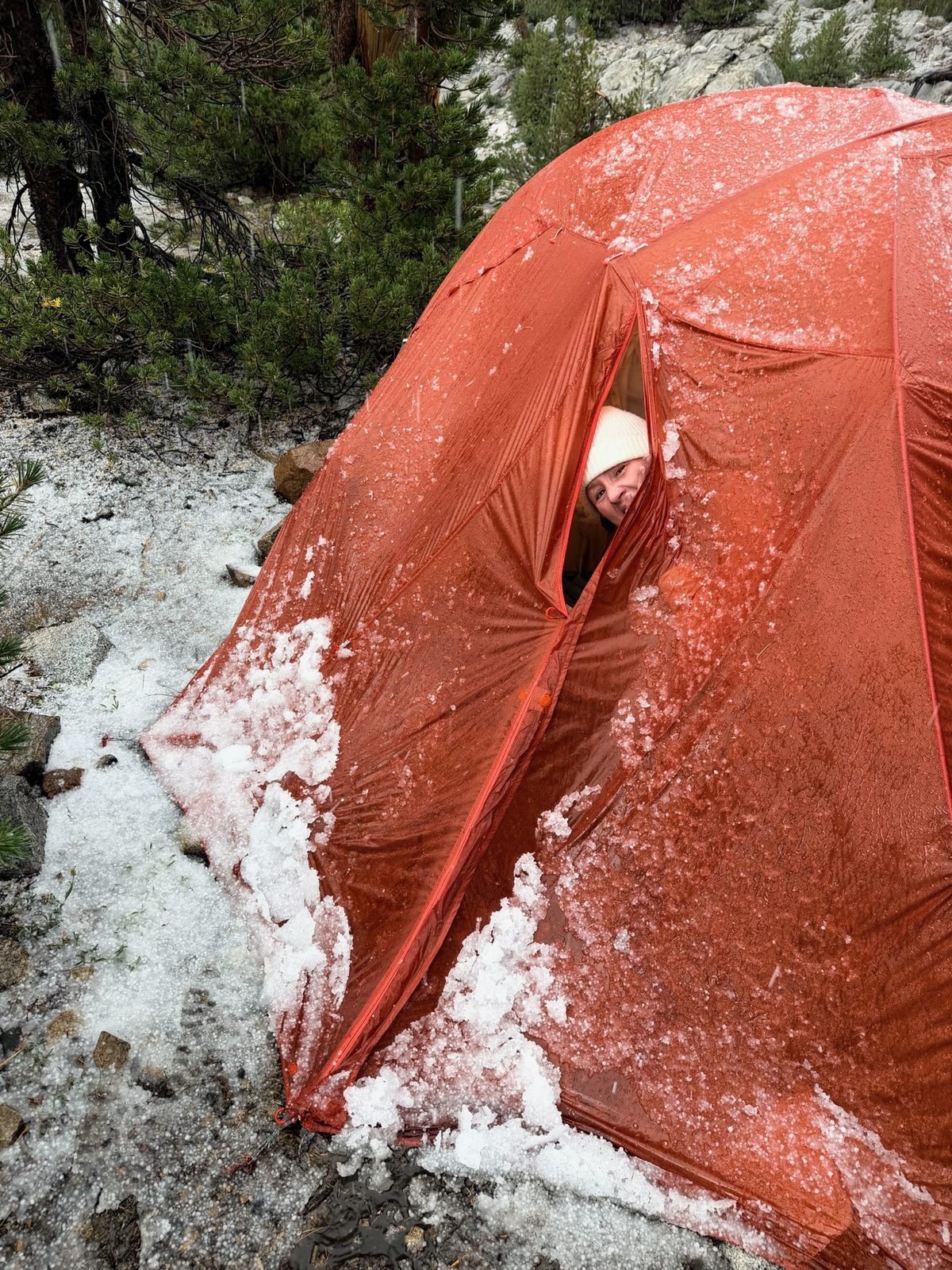
Do you ever get an ear-twitchy feeling when you wake up in the middle of the night to a noise and can’t tell if it’s a raccoon going through your trash or a bad guy who is going to murder you? My nervous system was in that high-alert mode for most of our time on this trip. Jumpy. Definitely cold. In a fine enough mood, but on edge.
Being on edge brought me into focus.
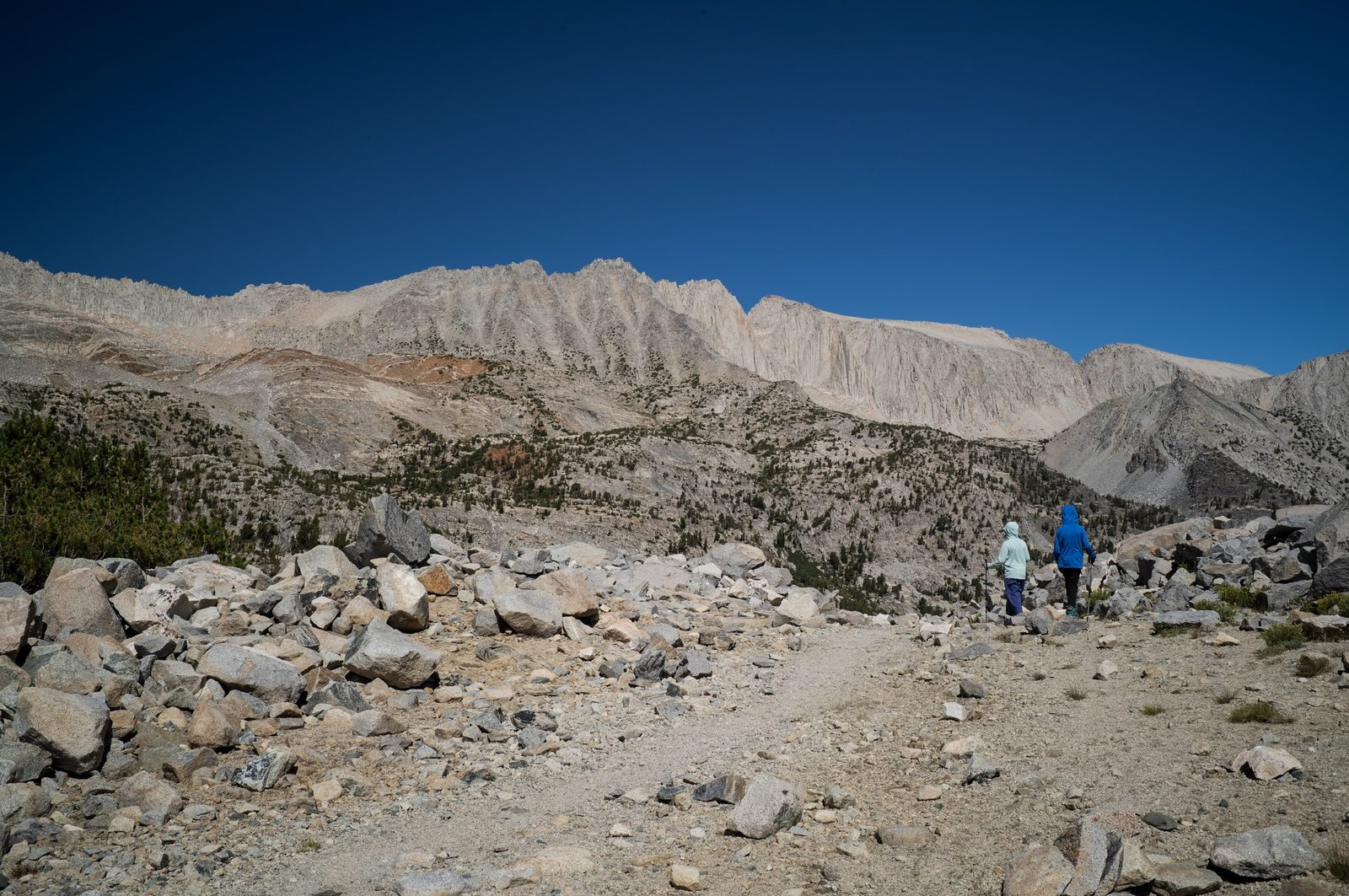
On a day hike between storms, my youngest complained of feeling tired and nauseous. Altitude sickness? We were close to an 11,000-foot lookout, but still had another half hour of climbing.
We’re pushing too hard, I thought.
He and I stopped and shared trail mix while the other two walked ahead. As I shoved the snack back in my pack and, in my edgy state, nervously scanned the landscape, I caught my little guy out of the corner of my eye doing the most remarkable thing.
Hunched over with tummy troubles picking through the last of his dried cranberries, he slowly straightened up, put his hands on his hips, took a focused, deep breath, and muttered to himself, “I can keep going. I’m a kid who can do hard things.”
Then he marched ahead and caught up with his brother.
I had never heard him talk to himself like this before. He was speaking to himself, not me. But I got to hear it.
The next day when my ears were listening for thunder while counting the seconds between a flash of lightning and its audio track, I picked up on a physics conversation between my older kid and husband. It was an animated lesson about the air around us.
Who knew that when lightning travels through the sky, it splits oxygen molecules, which helps create ozone, one source of that strange smell after a thunderstorm? I loved eavesdropping on this sweet impromptu science lesson.
And there were less transcendent moments of noticing. Hours waiting out hailstorms in our tent the size of an elevator gave ample opportunity to study the distinct aromas of my dirty kids. How can two humans eating exactly the same food produce such remarkably different farts?
Can I be present before I’m comfortable?
I guess I’ve always thought of presence as a peaceful state: quiet mind, relaxed body, deep breaths, a serene lake. I was regrettably not peaceful on this trip. I was uncomfortable, cold, and anxious; calculating risks every seven seconds.
I think I’ve had the belief that presence is only accessed through calm and stillness. And, of course, how does a busy professional access said calm and stillness? We schedule it and control the variables until we make it so, right?!
We line up all the people and things — maybe even the letting go of things — to create the environment in which we can become the serene lake to relax right into that peaceful presence.
Well guess what?
Uncertainty and tension can get you to presence, too.
All that ear-twitchy alertness kept pulling my attention to what was right in front of me. Value was everywhere. And I was there for all of it.
In my seven-year-old’s quiet pep talk to himself. In the spontaneous Socratic seminar on lightning particles between dad and kid. In four people in the world’s smallest smelliest tent on the edge of a choppy alpine lake in the middle of nowhere, playing rounds and rounds of Go Fish while waiting for the cranky sky to stop throwing ice at us.
None of it was the experience I had gone into the mountains for. It was immediate, relational, gripping, and much more interesting.
When we got home, my little one used percurious to describe an unstable but very interesting-looking Lego structure he was showing me.
Huh.
Yes, baby. Percurious. What a perfect little neologism for what I had been feeling all week.
*Percurious (adj) per·cu·ri·ous | pər-KYUR-ee-əs: Feeling both precarious and curious; unsettled by uncertainty and drawn to pay closer attention.
Origin: the mind of my youngest child.
There is this great line Oliver Burkeman cites in Meditations for Mortals:
“To treat life as a pilgrimage to a future and better existence is to disown its present value.”
W. Somerset Maugham
Oof. That’s a good one.
Try this
Let’s pretend like this is not a perfectly serene moment for you (this shouldn’t be hard for most people). But you wouldn’t mind bringing more of yourself to it. Perhaps you might even want to immediately experience greater awareness, attention, presence, or connection to others or what’s happening around you.
So… just be however you are and look around.
Step 1 of 5
How am I doing right now?
Tap up to three that sound true.
Okay. That’s where I am. What catches my attention?
Note: Anything you type stays in your browser unless you choose to email it to yourself, which you can do at the end.
Look around. Let something catch your attention.
What catches my attention?
What characteristics might describe it? Choose up to three.
Stay with it for a few seconds.
What else do I notice?
Tap anything that fits.
What might I have missed?
Suppose you had spent this moment wishing it were over. What might you have missed?
Optional. Skip it if nothing comes.
Before you go, how are you now?
Tap up to three that sound true.
Optional.
Mary Oliver reminds us in her poem, Teach the Children:
“Attention is the beginning of devotion.”

Notebook entry


Carry it with you
Email yourself this field note, or copy it.
Your email address and anything you wrote are used to send this one message and are not kept. If you select to receive my Field Notes newsletter, your email address will be added to my email newsletter list.
Thanks for doing your own field note entry!
Back to the backpacking.
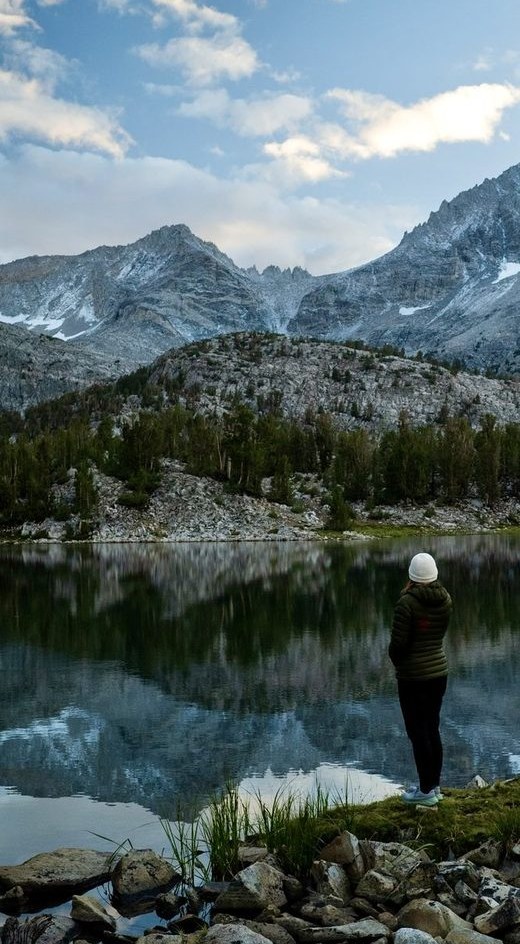
It turned out that there were a few of those moments of calm. But the real gift that week above 10,000 feet was in recognizing that I could be sort of stressed out and annoyed at the cold and be present. I did not have to go stand by that lake to open my awareness.
But standing at the edge of the lake was also pretty great.
I guess I’ll take it all.
What do you want to bring your awareness to?
Yours in learning and exploring,
Sonya
*PS: We recently submitted percurious to The Bureau of Linguistic Reality to see if it could become officialized (this is a real organization, I swear! bureauoflinguisticalreality.com). We’ll keep you posted.
Field Notes arrives every other Wednesday, with something I noticed, a question to carry, and a small experiment to try.
Your name is optional. It helps me write to you personally.